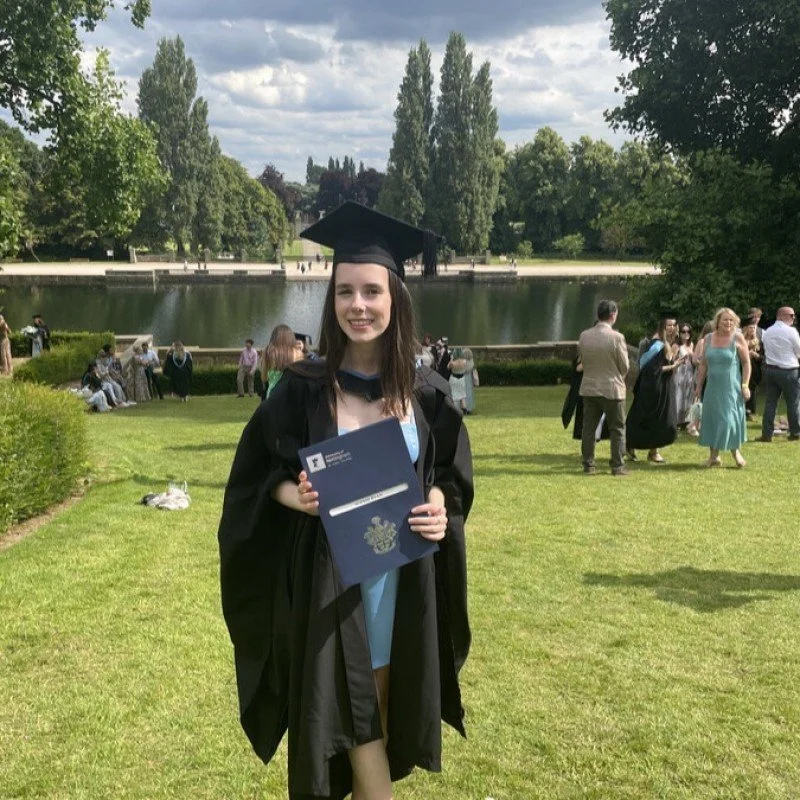
Different Arenas, Similar Minds: The Overlap Between Sport and Military Psychology
Both military personnel and high-level athletes are required to perform under pressure, adapt to changing environments, regulate emotions and work effectively with others. While the stakes and consequences differ drastically, both fields fall under the same umbrella of performance psychology.
Rather than viewing these worlds in isolation, I wanted to explore where these two disciplines overlap, and what lessons can be learnt from both in terms of how we think about human performance, leadership and recovery.
Adaptability: A skill or a mindset?
Both athletes and military personnel regularly face situations where circumstances change. In sport, adaptability is often viewed as something athletes develop through technical or physical experience, learnt through repetition such as adjusting a swing or altering a tactic. However, a military perspective I came across described adaptability not as a skill, but as a mindset characterised by a willingness to change in response to demands while remaining focused on the desired outcome.
This distinction is interesting and particularly relevant for sports coaches. Coaching approaches that are highly directive can often demand rigid consistency, expecting athletes to execute a skill the same way regardless of circumstances. But by shifting to a non-directive, “pull” style of coaching, coaches can push athletes to cultivate an adaptable mindset, where the goal isn’t to just execute a fixed play but to be able to change and develop to achieve a desired result.
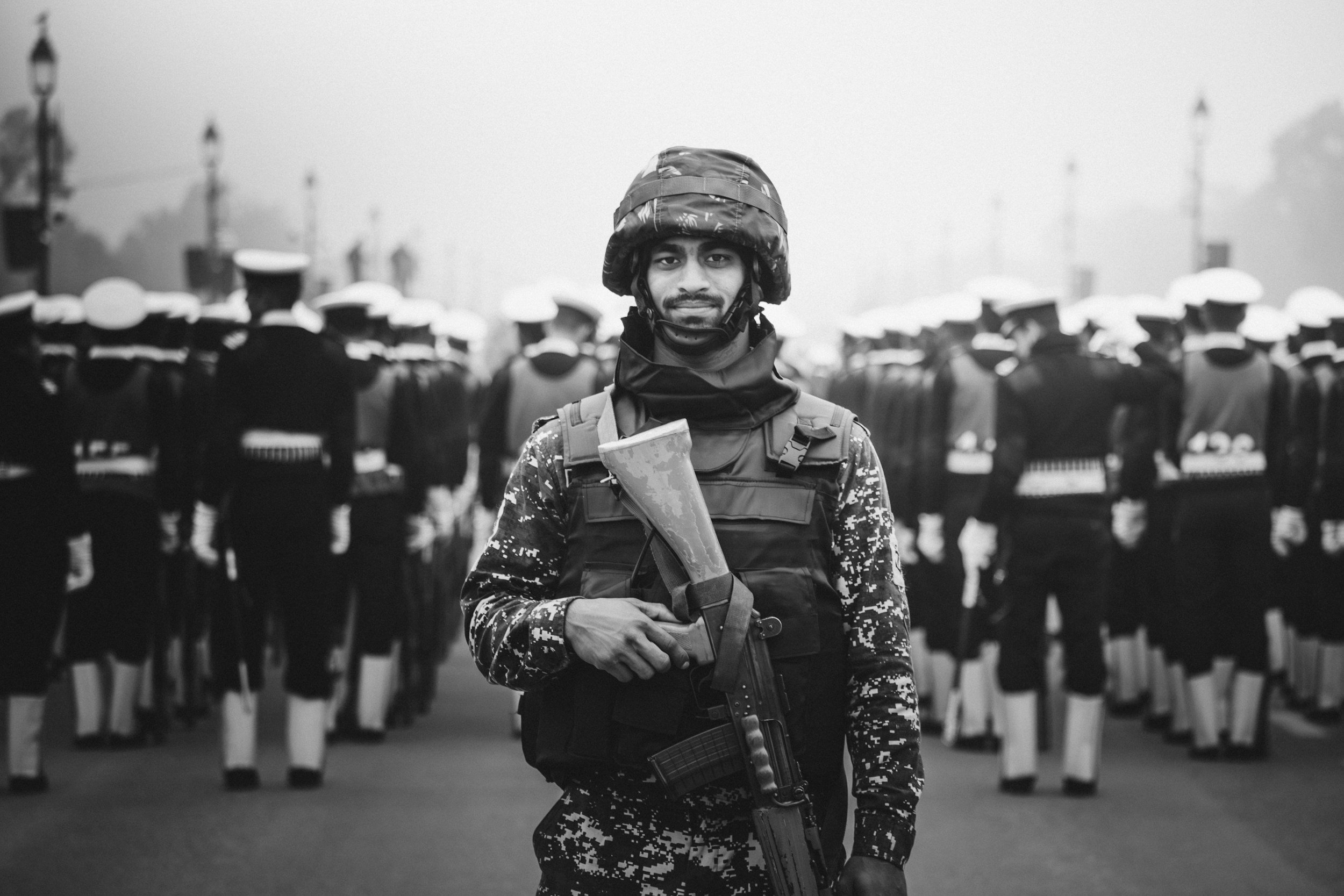
Intentional Leadership and Trust
Military units can develop exceptionally strong levels of trust through shared hardship, prolonged exposure to stress and dependence on each other. Sporting teams may aspire to similar levels of cohesion, but the contexts are not directly comparable, instead they should learn to be intentional with developing processes that build trust. For instance:
Proactive cohesion. In sport, trust can often become a focus only when team dynamics breakdown, but within military environments they deliberately create experiences that clarify roles and build relationships. Sports leaders should therefore consider trust development from the outset, rather than relying on team-building activities as a response to a lack of cohesion.
Formal leadership development. Team captains and experienced athletes are regularly expected to lead naturally, but leadership isn’t always systematically developed in sport. In military environments, leadership is deliberately taught and developed rather than assumed to emerge through experience. Sport organisations could therefore invest more intentionally in leadership development, recognising athletic ability does not automatically translate to effective leadership.
Recovery as Part of Performance
Within the training environment, the exchange of ideas can go both ways. Programs like Sport Psychology for the Soldier Athlete have successfully integrated familiar sport psychology techniques, such as goal setting, mental imagery, positive self-talk, and heart-rate control, into routine military training, but beyond mental skills, sport offers a useful perspective on recovery and sustainable performance:
Reframing Rest. Within training, military culture has often placed a strong emphasis on perseverance and pushing through discomfort, while modern sports science views recovery not as the opposite of hard work, but as an essential component of high performance.
Preventing Overtraining: Research into soldier fatigue highlights that maximising workload is not synonymous with maximising performance. Sustained high-level performance requires knowing when to push, when to recover and process learning.
The value of looking across contexts is about asking why certain skills are drawn out in certain environments, what processes develop them, and whether these can be translated elsewhere.
The environments may be very different, but the psychological processes involved in performing, adapting, leading, recovering and learning can overlap considerably. Looking beyond the boundaries of our own performance environments may therefore offer new ways of thinking about how people perform at their best.
References
Bencker, A., Larsson, G., Maria Fors Brandebo, Johnson, U., & Ivarsson, A. (2024). High-level military and sport leaders’ everyday challenges and psychological skills: A cross- contextual repeated measures study. Military Psychology, 37(5), 1–12. https://doi.org/10.1080/08995605.2024.2376970
Chappelle, D. W. (2025, April 21). The high-performance mind: Lessons in mental resilience from the military to the sports arena. PsyOPTIMAL. https://psyoptimal.com/the-high-performance-mind-lessons-in-mental-resilience-from-the-military-to-the-sports-arena/
LoRusso, N. (2018). The application of mental skills training for sustaining effort during operations. https://apps.dtic.mil/sti/pdfs/AD1084436.pdf
Meyer, V. M. (2018). Sport psychology for the soldier athlete: A paradigm shift. Military Medicine, 183(7-8), e270–e277. https://doi.org/10.1093/milmed/usx087
Vrijkotte, S., Roelands, B., Pattyn, N., & Meeusen, R. (2018). The overtraining syndrome in soldiers: Insights from the sports domain. Military Medicine, 184(5-6), e192–e200. https://doi.org/10.1093/milmed/usy274
Ytterbøl, C., Collins, D., & MacPherson, A. (2022). Sharpening the tip of the spear: Tailoring performance psychology for Special Operation Forces. Frontiers in psychology, 13, 1068896. https://doi.org/10.3389/fpsyg.2022.1068896
https://open.spotify.com/episode/0mQzfFIeVMABlevqGivvlL?si=db73e39eb36e459c
https://www.youtube.com/watch?v=2ncYQK31FRM