
Taking a look at the latest research and applied science across the world of sport and performance psychology. To find out more about how Thinkworks can help you, take a look at our services.
High-performance sport should not abandon ambition, pressure or the pursuit of success, as these are fundamental parts of what makes competitive sport meaningful. Athletes dedicate years to pushing their mental and physical boundaries to be the best. However, when performance becomes the primary measure of an athlete’s value, the same conditions that contribute to sporting success can also threaten wellbeing. Truly successful sport should extend its focus on what athletes achieve by examining what pursuing those achievements costs the person behind the performance.
Sport is often presented as inherently beneficial for mental health, providing a sense of belonging, purpose, social connection, achievement and identity. Research by Stevens et al., (2024) used a social identity approach to explain how belonging to sporting groups can provide psychological resources through connection, meaning and social support. This suggests that sport is not inherently a problem for mental well-being. However, this relationship becomes more complicated as performance demands intensify. Elite athletes operate in environments characterised by repeated evaluation, demanding training schedules, injury risk, and performance expectations.
The 2026 International Olympic Committee (IOC) Consensus Statement on Mental Health in Elite Athletes provided an important framework for understanding this relationship. Instead of treating mental health as the presence or absence of mental illness, the consensus describes it as a continuum. It recognises that temporary stress reactions are a normal part of elite sport and that sporting and environmental factors contribute to mental health difficulties, implying that these environments should form part of prevention and treatment strategies (Reardon et al., 2026).
The systematic review and meta-analysis underpinning the IOC consensus included 72 studies of current elite athletes and found considerable variation in reported mental-health symptoms (Gouttebarge et al., 2026). Such findings should not be interpreted as a causal relationship between elite sport and mental health difficulties, as differences between sports, populations, measuring scales and study designs make it difficult to describe a universal experience for athlete mental health. Instead, these variations highlight that assessing whether sport is simply good or bad for mental health is too simplistic, and it is much more insightful to investigate what conditions can sport support athlete mental health and when it can begin to undermine it. If sport itself is neither inherently protective nor inherently harmful, attention needs to turn towards the conditions that athletes are expected to perform.

A person-centred approach to sport should not mean removing pressure, competition or difficult experiences. Elite athletes often voluntarily choose increasingly demanding goals; training schedules can be exhausting, and competition naturally produces nerves and potential losses. However, discomfort does not automatically mean evidence for poor mental health. Overcoming such difficult experiences can contribute to the achievement and satisfaction that is derived from sport. After all, a sporting environment where athletes never experience disappointment, uncertainty or pressure would arguably remove fundamental elements that make sporting participation and viewing worthwhile.
Research into athlete burnout demonstrates why the assumption that more pressure equates to worse mental health. A longitudinal research review by Dišlere et al., (2025) on athlete burnout identified several interacting personal, environmental risk and protective factors. Burnout therefore appears more complex than simply being the consequence of training hard. Negative social interactions and perfectionistic concerns may increase vulnerability, while relatedness and social support can provide protection.
Further research into perfectionism adds another level of complexity. A meta-analysis conducted by Yang et al., (2023) involving 3,496 elite athletes found that varying dimensions of perfectionism related differently to athlete burnout. Furthermore, the perception that other people demand perfection was positively associated with emotional and physical exhaustion and sport devaluation. This finding implies that striving for excellence and believing that you must be perfect to retain your value are not psychologically equivalent.
Therefore, the problem may not be the pressure itself, but what the pressure represents. Failure can either be treated as information which an athlete can learn from or as evidence that the athlete themselves is not enough. Ultimately, protecting wellbeing should not mean protecting athletes from challenge, but it should mean ensuring that the pursuit of success does not gradually become a judgement about the worth of the person pursuing it.
This type of judgement leads to an uncomfortable tension at the centre of high-performance sport. Performance and wellbeing can support one another, but don’t necessarily do so all of the time. An athlete who feels psychologically healthy may be better positioned to maintain motivation, recover, and manage the demands of the competition. Equally, performing successfully can contribute to confidence, satisfaction and a sense of purpose. It is therefore understandable that sporting organisations increasingly recognise athlete wellbeing as relevant to performance.
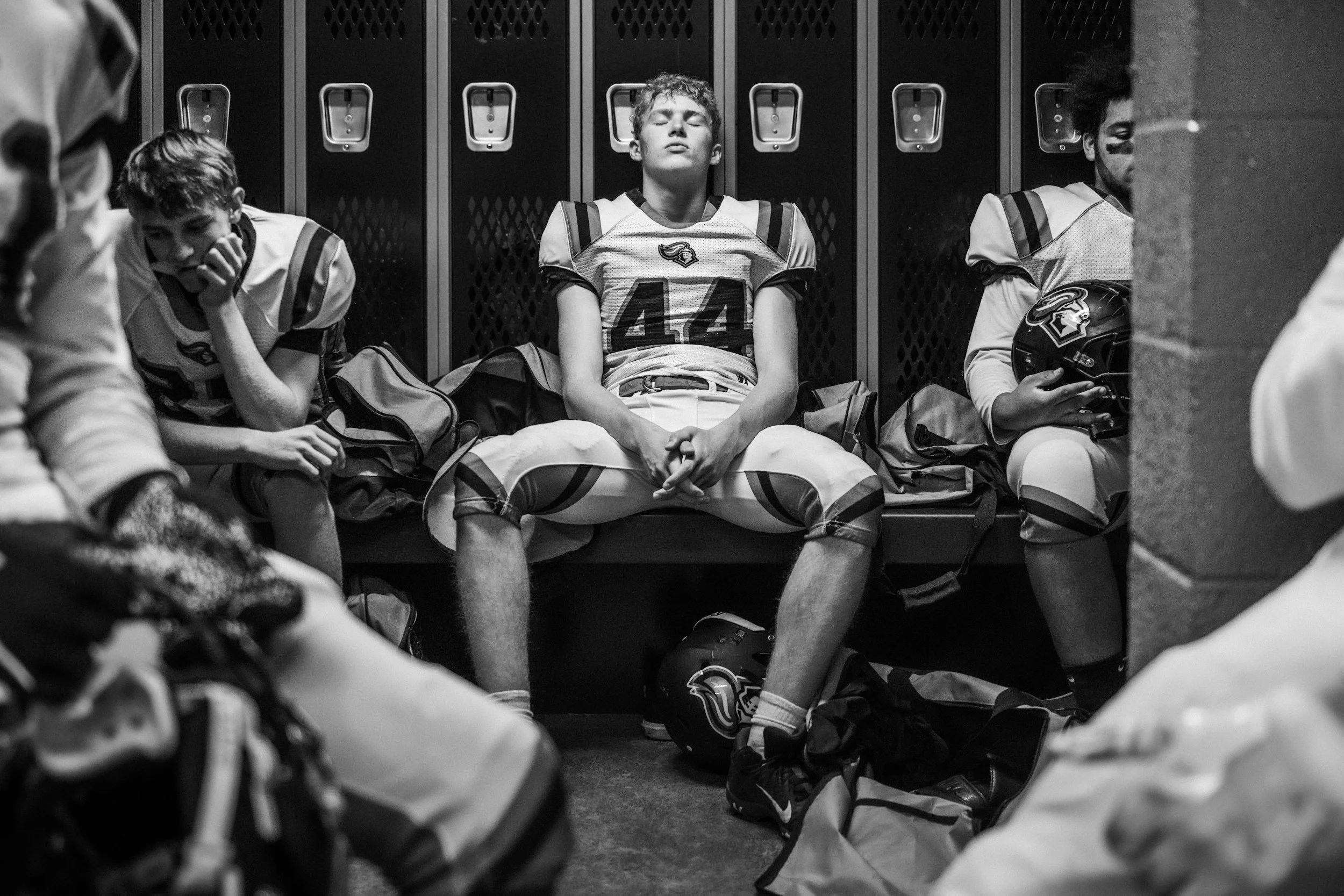
However, there are limitations with justifying wellbeing primarily on the basis that healthy athletes perform better. Wang et al. (2025) reviewed psychological interventions designed to improve elite-athlete wellbeing and found potentially beneficial effects from approaches including psychological-skills training, positive-psychology interventions and third-wave interventions. However, some effects were less convincing when weaker study designs were removed, and implementation was affected by factors within the sporting environment. Support from coaches and teammates provided help, while demanding schedules acted as barriers. Meaning that even interventions designed to support the individual athlete could not be completely separated from the system and culture surrounding them.
Moreover, if athlete wellbeing fundamentally matters because it improves performance, what happens when caring for the athlete doesn’t provide a competitive advantage? In a situation where an athlete is experiencing significant psychological difficulty before an important competition. Continuing to train and compete may enhance a team's short-term success; however, protecting the athlete’s longer-term wellbeing may require reduced training, professional support or time away from the sport. This is potentially where an organisation's commitment to wellbeing is tested. If we only value athlete wellbeing when it produces better performances, are we really valuing wellbeing, or has it simply turned it into another performance strategy? It is relatively easy to prioritise wellbeing when doing so creates a faster, stronger or more successful athlete. It becomes much harder when caring for the person might cost something competitively.
The relationship between performance and wellbeing becomes even more complicated when sport is central to someone's identity. Being an elite athlete typically requires long-term commitment, and a strong sporting identity can provide belonging, meaning, friendships, and purpose (Stevens et al., 2024). However, difficulties can emerge when sport changes from an important part of someone’s identity into the primary way that they understand who they are.
Incidences where an athlete becomes injured provide evidence for this. Liu et al., (2026) examined qualitative studies finding that physical limitations, withdrawal from competition and psychological distress could all challenge an athlete’s sense of identity. This suggests that injury can take away much more than someone’s physical ability to compete, disrupting their routines, relationships, status, future plans and the sense of belonging that comes from being part of a sporting environment.
This is further reflected in recent research involving interviews with elite athletes across Summer Olympic sports experiencing prolonged lower back pain (Trease et al., 2026). Findings indicated that consequences extended beyond physical pain and sporting performance, affecting areas such as identity, self-confidence, mental health and perceived self-worth. These experiences highlight why rehabilitation is not simply a journey from injury to physical recovery. Psychological recovery may also involve rebuilding confidence and a sense of identity outside of sport.
The same tension can be seen in the relationship with sport and resilience. Mental toughness is celebrated, as elite-level sport requires athletes to respond to adversity and navigate uncertain situations while maintaining high-quality performance. However, there is a level where persistence and commitment can turn into self-neglect and expectations around mental toughness may discourage athletes from acknowledging their need for support.
Research conducted by Cosh et al., (2024) examined mental health and help-seeking behaviours among athletes, finding a 22.4% rate for help-seeking, and identified barriers such as sporting culture, confidentiality and selection influencing whether athletes feel able to seek professional help. This is an important distinction as mental health awareness does not automatically mean psychological safety. Sporting organisations may encourage athletes to seek help if it is needed, but these same athletes may still privately question whether the action of seeking help will affect their selection for teams, and perceptions from coaches and teammates. Consequently, knowing that help exists is not the same as believing it is safe to ask for it, and this responsibility does not solely rest on athletes speaking up but also on sporting environments being trustworthy enough for athletes to believe that this will not threaten their belonging or value.
Popular culture offers an interesting reflection of how society understands these issues. For example, the series Ted Lasso frequently places the person behind the footballer at the centre of its storytelling. The players' relationships, insecurities, family dynamics and identities matter independently of what they produce on the pitch. The introduction of sports psychologist Dr Sharon Fieldstone also challenges the idea that psychological support exists only for athletes who are incapable of coping. There is huge value in the portrayal that athletes need to be understood as people before they are performers. However, popular portrayals such as this one can also reinforce another misconception: that psychological difficulties can be resolved through a single breakthrough conversation. Real psychological support is rarely as straightforward, so this can create unrealistic expectations for psychological work or result in discouragement when the process is not immediate.

Research conducted by Lundqvist et al., (2024) involved interviewing Swedish elite athletes who had received psychotherapy. Findings revealed that athletes emphasised trust, professionalism, and a therapeutic relationship where the therapist understands the demands of elite sport while also recognising them as people as well as athletes. This implies that effective support involves more than encouraging someone to talk once; suggesting the importance of relationships and systems where meaningful conversations can continue, and athletes trust the people providing support.
This complexity is present within real sporting incidents; for example, Naomi Osaka’s decision to withdraw from the 2021 French Open following controversy around her decision to not participate in press conferences brought the relationship between mental wellbeing, professional responsibilities and sporting expectations into public debate. Her experience should not solely be used to argue that media obligations cause mental health difficulties, but instead raises the question of what happens when an athlete’s perceived obligations to their sport conflict with what they believe they need to protect their own wellbeing.
Furthermore, Simone Biles’ withdrawal from several events at the Tokyo Olympics raised similar questions on an Olympic scale. Elite sport traditionally celebrates athletes who continue despite adversity, and perseverance is admired. This kind of experience forces us to consider where that expectation should end. Recognising when actions demonstrate resilience and when continuing becomes harmful. It also highlights the question of who should be allowed to make that judgement: coaches, spectators, sporting organisations or the athlete themselves? It exposes the tension between our admiration for sporting sacrifice and our claim that the human being should remain more important than the performance.

A mentally healthy high-performance environment should not mean removing pressure, ambition or the desire to win. These are part of what makes competitive sport meaningful. Instead, the challenge is making sure that an athlete’s worth does not become dependent on their performance. Disappointment, sacrifice and failure are inevitable in sport, but they should not become judgements of the person experiencing them. In a systematic review by Aalto et al. (2024) investigating European dual-career athletes, findings identified factors such as identity, stress, resilience, perfectionism and motivational climate as relevant to athlete mental health. Balancing education or employment alongside elite sport creates additional pressures, and meaningful roles and relationships outside sport may help athletes recognise that who they are extends beyond what they achieve. Supporting wellbeing, therefore, is not about lowering expectations or making high-performance sport easier, but about creating an environment where athletes can pursue excellence without their performance becoming the measure of their worth.
Ultimately, winning matters. Ambition, pressure and the pursuit of success are part of what makes sport meaningful, and protecting mental wellbeing should not mean removing them. However, performance and wellbeing will not always align. The real test of a sporting culture may come when caring for an athlete offers no competitive advantage, or even comes at a competitive cost. After all, athletes should be able to pursue extraordinary performances without their worth becoming dependent on achieving them. Records are broken, medals fade, and careers eventually end, but the person behind the performance remains. Perhaps sporting success should therefore be measured not only by what athletes achieve, but by whether they are still valued when they cannot achieve it.
References
Aalto, E. P., Pons, J., Alcaraz, S., Rocío Zamora‐Solé, & Ramis, Y. (2024). Psychological and social factors associated with mental health of European dual career athletes: A systematic review. European Journal of Sport Science, 24(12). https://doi.org/10.1002/ejsc.12218
Cosh, S. M., McNeil, D. G., Jeffreys, A., Clark, L., & Tully, P. J. (2024). Athlete mental health help-seeking: A systematic review and meta-analysis of rates, barriers and facilitators. Psychology of Sport and Exercise, 71(1), 102586. https://doi.org/10.1016/j.psychsport.2023.102586
Dišlere, B. E., Mārtinsone, K., & Koļesņikova, J. (2025). A scoping review of longitudinal studies of athlete burnout. Frontiers in Psychology, 16. https://doi.org/10.3389/fpsyg.2025.1502174
Gouttebarge, V., Bilgoe, S. C., Gorczynski, P., Hitchcock, M. E., Putukian, M., Reardon, C. L., & Kerkhoffs, G. (2026). Supporting the IOC Consensus Statement on Mental Health in elite athletes: A systematic review and meta-analysis on the prevalence of mental health symptoms in elite sports. Sports, 14(7), 296. https://doi.org/10.3390/sports14070296
Liu, S., Noh, Y.-E., & Kim, J. (2025). Athletic identity and Sport Injury: A systematic review and meta-aggregation. BMC Psychology, 14(1).https://doi.org/10.1186/s40359-025-03902-7
Lundqvist, C., Wig, J., & Schary, D. P. (2024). Swedish elite athletes’ experiences of psychotherapy for mental health concerns provided by licensed psychologists and psychotherapists: A qualitative study. BMJ Open Sport & Exercise Medicine, 10(3), e002044–e002044. https://doi.org/10.1136/bmjsem-2024-002044
Reardon, C. L., Gouttebarge, V., Kroshus-Havril, E., Aron, C. M., Bahr, R., Blauwet, C., Castaldelli-Maia, J. M., Cheng, C., Currie, A., Derevensky, J. L., Edwards, C., Fussek, S., Gorczynski, P., Grandner, M., Han, D. H., Hitchcock, M. E., Lu, F., Massey, A., McDuff, D., … Hainline, B. (2026). Mental Health in Elite athletes: International olympic committee consensus statement (2026). British Journal of Sports Medicine, 60(15), 1083–1130. https://doi.org/10.1136/bjsports-2025-111514
Stevens, M., Cruwys, T., Olive, L., & Rice, S. (2024). Understanding and improving athlete mental health: A social identity approach. Sports Medicine, 54(4). https://doi.org/10.1007/s40279-024-01996-4
Trease, L., Foley, G., Kemp, J. L., Hancock, M. J., Wilson, F., Makdissi, M., Morrison, J., & Mosler, A. B. (2026). “The pain isn’t the hardest challenge… it’s the frustration at how much it affects my day-to-day life, my mental health and my ability to train”: A qualitative thematic analysis of elite athletes’ lived experiences of persisting low back pain. British Journal of Sports Medicine, 60(3), 170–177. https://doi.org/10.1136/bjsports-2025-110491
Wang, W., Schweickle, M. J., Arnold, E. R., & Vella, S. A. (2025). Psychological interventions to improve elite athlete mental wellbeing: A systematic review and meta-analysis. Sports Medicine, 55. https://doi.org/10.1007/s40279-024-02173-3
Yang, J.-H., Yang, H.-J., Choi, C., & Bum, C.-H. (2023). Systematic review and meta-analysis on burnout owing to perfectionism in elite athletes based on the multidimensional perfectionism scale (MPS) and athlete burnout questionnaire (ABQ). Healthcare, 11(10), 1417. https://doi.org/10.3390/healthcare11101417