
More Than the Sum of Its Parts: Understanding Team Dynamics in Sport
Every component of the body plays a fundamental role in our functioning. The heart pumps blood around the body; our brains listen and direct; the skeleton supports; and the bloodstream connects them all. Each component is complex and essential in its own way, but in isolation, none of them can sustain life. It is only when they work together in the right way that a living, functioning human emerges.
A sports team works in a very similar way. When we think of sports teams, we tend to immediately focus on the most visible parts, such as star players, tactical systems, and coaching strategy. However, beneath all this, team dynamics operate like the body’s internal systems: mostly invisible, constantly interacting, and far more powerful than any of its singular components. This blog explores such systems and examines the individual and group-level factors which combine to create effective team dynamics.
Before a team can function as a unit, it is important to recognise that it is composed of individuals who each bring their own personalities, motivations, and previous experiences. A conceptual model of team cohesion established by Carron., (1982) acknowledged this, placing individual attributes at the basis of group development. This underscores the importance of these factors in team dynamics but raises the question of how they are woven into the team's fabric to enhance collective effectiveness.
The DNA: Personality
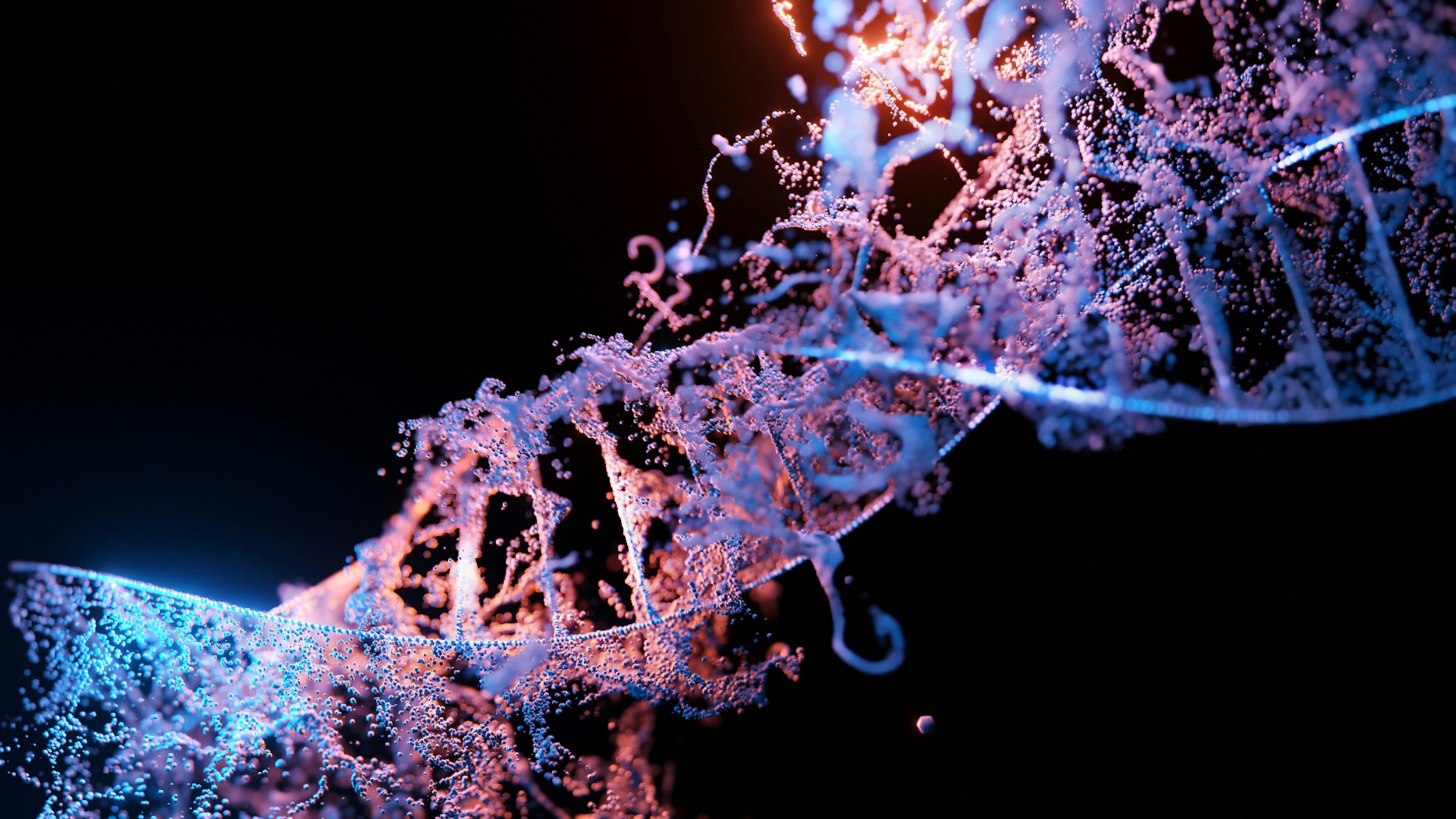
If a team is viewed through the lens of the human living system, then personality represents its DNA. A unique pre-existing blueprint that every individual brings into the collective, shaping how each member thinks, behaves, and interacts before any training sessions or performances. The Big Five model (McCrae et al., 1987; Goldberg.,1990) provides a widely accepted framework for investigating these individual differences, in which traits such as agreeableness, extraversion, and conscientiousness are shown to positively relate to both sport performance and team processes (McCrae et al., 2008; Allen et al., 2013).
Critically, further research (Barrick et al., 1998) has demonstrated that teams composed of individuals high in conscientiousness and agreeableness also exhibit greater cohesion and effectiveness. This suggests that personality shapes team-level processes such as communication, cooperation, and conflict management, beyond simply influencing individual athletes’ actions.
Different personality traits provide a range of functional benefits. Conscientious athletes tend to be more disciplined and reliable. In contrast, athletes with more agreeable traits tend to promote greater harmony within a group; both traits contribute in different ways, enhancing more effective collective functioning. However, the influence of personality should not be reduced to the assumption that having a team consisting of these specific traits would equate to an optimal dynamic. Research also suggests that no single personality trait can best predict team cohesion, and effective teams often require a balance of complementary characteristics across members (McEwan et al., 2018; Barrick et al., 1998). Therefore, this indicates the importance of the composition of personalities within a group rather than the dominance of one personality trait.
Consequently, personality can be understood as a foundational determinant of team dynamics in sport, directly influencing how effectively individuals integrate and perform within the team.
The Heart: Motivation
If personality forms the DNA of the team, then motivation represents its heart. The engine that pumps energy, drive, and persistence throughout the entire system.
Individual motivation is a key psychological factor that shapes group dynamics in sport, with the potential to either strengthen cohesion or increase dysfunction within teams. Self-determination theory (Deci et al., 1985) distinguishes between intrinsic motivation (engaging in sport for enjoyment and personal satisfaction) and extrinsic motivation (driven by rewards or external pressures). Research consistently demonstrates that athletes with higher levels of intrinsic motivation report greater team cohesion, more effective communication, and enhanced collective resilience (Gillet et al., 2010). Environments that promote autonomy, competence, and relatedness (the three foundational psychological needs of Self-Determination Theory) have been shown to foster overall adaptive team functioning (Vallerand, 2007). This suggests the importance of individual motivation for team dynamics (Vallerand, 2007).
Alternatively, it is more insightful to review the findings of Kozlowski et al. (2006), who argued that team motivation operates at a different level of analysis than the average individual motivations of each member. Instead, group motivations are shaped by shared history, social norms, collective efficacy and the emotional climates of athletes. As a result, the concept of emotional contagion becomes particularly compelling. Research conducted by Totterdell et al., (2000) demonstrated that an individual athlete’s psychological state can initiate a ripple effect through the group, influencing the mood, motivation, and ultimately performance of teammates. A highly intrinsically motivated player can create a domino effect, enhancing the motivation of those around them. However, the same process also works in reverse, where anxiety and disengagement are equally contagious. Such research was extended by Eys et al. (2015), who indicated that shared emotional states impact overall team performance and morale, suggesting that motivation is not confined to individual athletes but is also a group-level factor.
Although the benefits of intrinsic motivation are highlighted by self-determination theory, this may be critically undermined by the reality that modern sport is inherently driven through extrinsic incentives such as sporting contracts, public recognition and financial rewards. According to Cognitive Evaluation Theory (Deci et al., 1985), the introduction of extrinsic rewards can cause an ‘undermining effect’, reducing intrinsic motivation. As a result, potential challenges arise in team dynamics. An overemphasis on extrinsic motivators shifts focus to ego-driven behaviours and competition between teammates rather than group cohesion, therefore, increasing the likelihood that players will disengage when faced with adversity. This highlights the importance of balancing internal motivators with external demands.
Consequently, a team with a strong motivational ‘heartbeat’ is better able to cope during adversity; however, one with an irregular rhythm of extrinsic motivation and inconsistency is at risk of breaking down during the toughest moments.
The Skeleton: Group roles & status
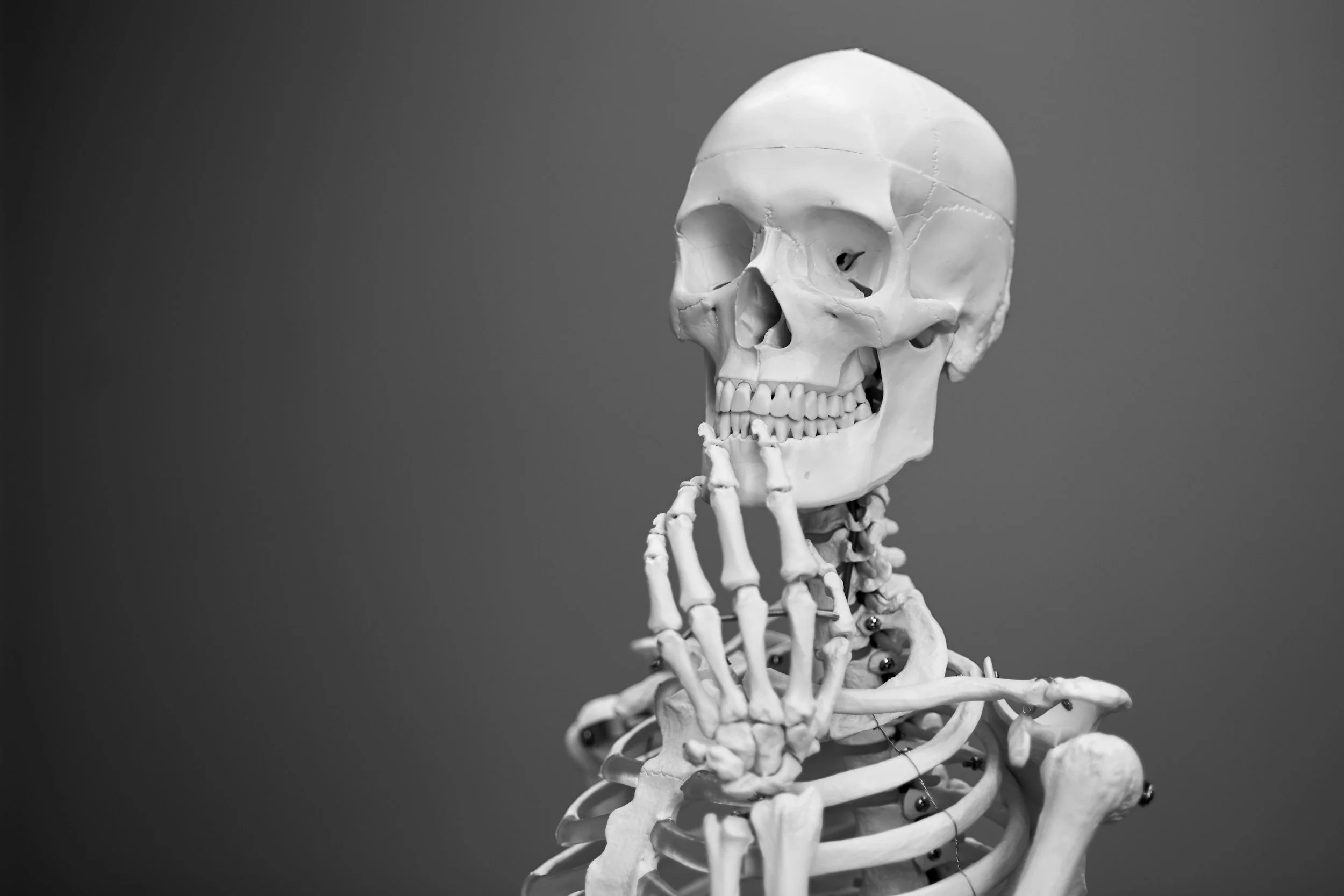
The skeleton is an understated part of the body. It operates as a silent structure beneath everything else. However, when this fundamental component is removed, nothing holds its shape. Roles and member status function in the same way for team dynamics in sport, with established structural frameworks going unnoticed until something goes wrong or breaks.
Every team, whether intentionally or unintentionally, develops a social structure of formal and informal roles, status hierarchies, and behavioural norms. These components shape interactions, expectations and power dynamics which contribute to team functioning. Research demonstrates that role clarity and acceptance allow athletes to better understand their responsibilities by reducing uncertainty and enhancing collective focus on goals, thereby benefiting cohesion and performance (Beauchamp et al., 2005).
Status hierarchies also emerge naturally and shape communication and decision-making within teams (Eys et al., 2001). When such hierarchies are stable, they support cohesion and team coordination. However, when unclear, they can lead to conflict and dissatisfaction (Kahn et al., 1964).
While these structures can provide solid support for a team, they can also create vulnerabilities within it. Social loafing is a phenomenon that can occur when individuals reduce their effort in group settings, as they feel less personally accountable for group outcomes and therefore less identifiable (Latané et al., 1979). This is more likely to occur when the group's roles are unclear or when status differences are poorly managed, leading to disengagement or an imbalance in effort across the team.
Ultimately, a strong skeleton allows a team to hold its shape under pressure through clear, aligned roles. When this structure fractures, it creates weaknesses and leads to collapse, reducing performance.
The Bloodstream: Team cohesion
While the skeleton provides structure, the bloodstream is what keeps it alive. Within a team, cohesion acts as this connective force that flows through every part. It is a well-researched construct in team dynamics, defined as a team's tendency to collectively pursue shared objectives and player satisfaction, shifting a group of individuals into a fully functioning team (Carron et al., 2002).
Team cohesion is multidimensional, comprising task cohesion, a shared commitment to collective goals, and social cohesion, interpersonal relationships within the group (Eys et al., 2001). Both components are essential for a team to function effectively, and research findings suggest that cohesion is positively related to team performance (Carron et al., 2002) and enhances collective efficacy and resilience under pressure (Filho et al., 2014).
Ultimately, cohesion reflects how well the system is functioning. However, high levels of cohesion may not always be beneficial, as excessive social cohesion can lead to ‘Groupthink’, in which critical thinking and performance standards are neglected in order to maintain harmony within the team (Janis, 1972). Therefore, this implies the importance of balancing task and social cohesion to reduce the likelihood that one component will dominate the other.
Similar to blood, cohesion must continually flow to sustain group dynamics; in sports teams, this aligns personality, motivation, leadership and roles in the system. Insufficient cohesion weakens the system, while excessive amounts can cause restrictions.
The Brain: Leadership
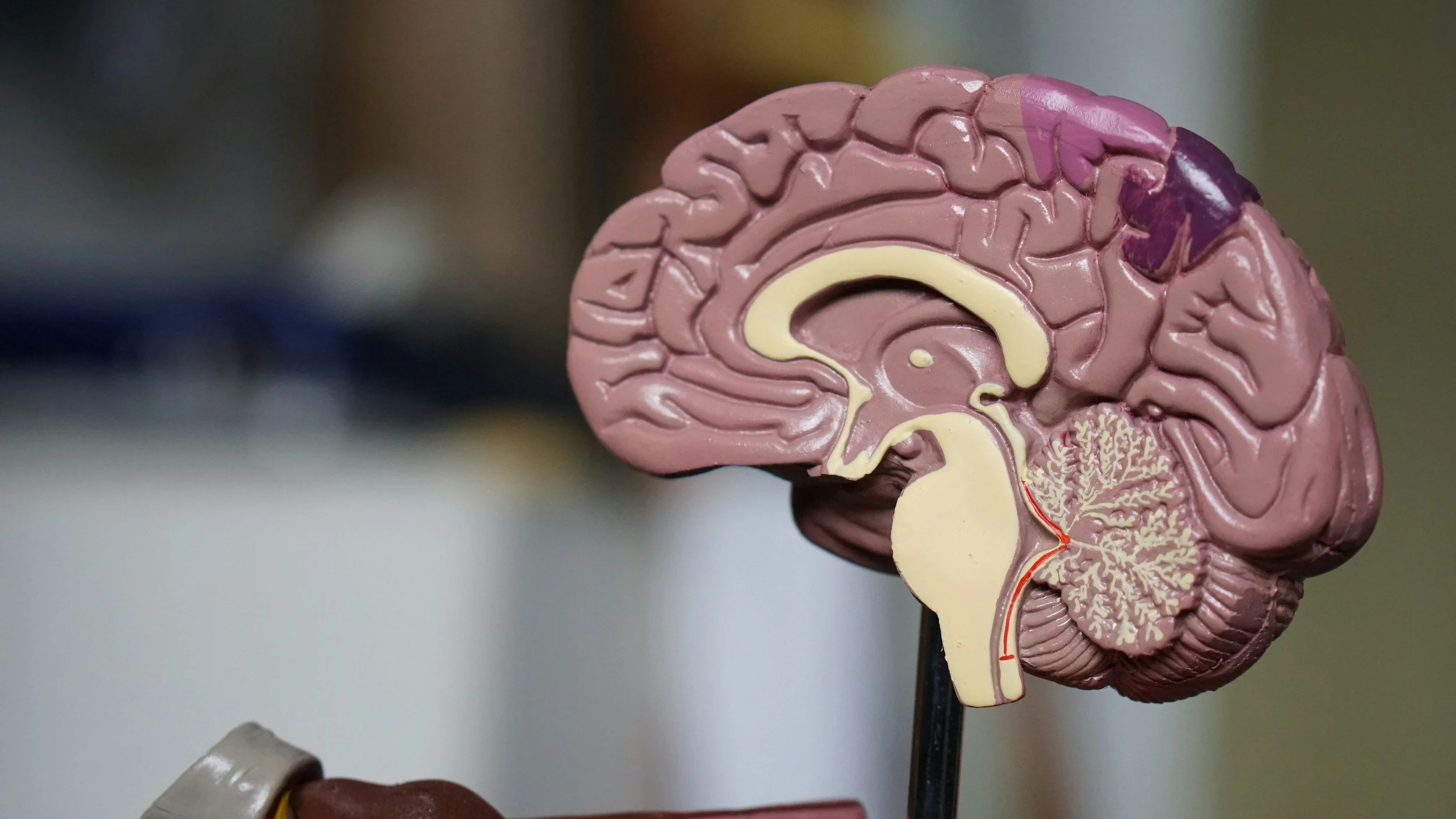
The brain coordinates every system in the body to interpret signals, make decisions and direct action. Leadership performs this function within a team, and, similarly to the brain, there is no single command centre but rather a network in which effective teams distribute leadership across multiple individuals.
Leadership is central to team dynamics, influencing cohesion, motivation and team functioning. The multidimensional model of leadership is a framework that proposes that effective leadership depends on the alignment of preferred, required, and actual leadership behaviours (Cheladurai, 1980). When such an alignment is achieved, leadership enhances the team's satisfaction, cohesion, and performance (Chelladurai et al., 1980). While team coordination is vital, leadership plays a secondary role in minimising vulnerability. Ineffective leadership styles, whether strict or inconsistent, disrupt team cohesion and motivation, suggesting the importance of effective leadership.
Consequently, the style of leadership also appears to be an influential factor, with transformational leadership, characterised by behaviours such as high-performance expectations, inspirational motivation and individual consideration, consistently linked to enhanced levels of cohesion and motivation in sports teams (Callow et al., 2009). This suggests that leaders who create supportive environments, optimal for their team, enable athletes to perform with greater confidence and commitment.
Furthermore, contemporary research additionally suggests that shared or distributed leadership strengthens team cohesion and collective efficacy, challenging the traditional idea of this as an individual role (Fransen et al., 2014; Coterill et al., 2016). Consequently, although coaches tend to assume major leadership roles, leadership responsibilities are also distributed among other team members.
Like a brain, the strongest teams do not rely on a singular voice, but on a network of leadership sustaining coordination and performance.
The Consciousness: Team functioning
Despite extensive research, the human body continues to challenge science. While we can investigate every organ, cell structure, and neural pathway, consciousness is not fully explained; it results from every component working together, and teams have a correlate to this.
Team dynamics arise from the interaction of individual, structural and relational elements over time (Kozlowski et al., 2006). During this process, individual factors of personality, motivation, and roles interact to produce the collective properties of a team, such as resilience and cohesion, rather than simply belonging to a single individual (Eccles et al., 2004). As a result, sports teams are adaptive, self-organising systems in which the coordination of factors from individual- and team-level components combine to create a team dynamic rather than relying on central control (Araujo et al., 2016).
We can analyse every player, role, and relationship within a team, yet still not fully explain what makes a team effective. This does not stem from a failure of analysis, but rather from team dynamics arising from interactions and experiences that cannot be reduced to their individual parts.
In conjunction with the human body, sports team dynamics are far more than the sum of their parts. Successful teams rely on the optimal functioning of each component, as well as on the unique interactions between individual factors and group processes. It is through these interactions that collective properties such as cohesion arise, highlighting the importance of aligning such elements for the function as a whole.
References
Allen, M. S., Greenlees, I., & Jones, M. (2013). Personality in sport: a comprehensive review. International Review of Sport and Exercise Psychology, 6(1), 184–208. https://doi.org/10.1080/1750984x.2013.769614
Allen, M. S., & Laborde, S. (2014). The Role of Personality in Sport and Physical Activity. Current Directions in Psychological Science, 23(6), 460–465. https://doi.org/10.1177/0963721414550705
Araújo, D., & Davids, K. (2016). Team Synergies in Sport: Theory and Measures. Frontiers in Psychology, 7. https://doi.org/10.3389/fpsyg.2016.01449
Barrick, M. R., Stewart, G. L., Neubert, M. J., & Mount, M. K. (1998). Relating member ability and personality to work-team processes and team effectiveness. Journal of Applied Psychology, 83(3), 377–391. https://doi.org/10.1037/0021-9010.83.3.377
Beauchamp, M. R., Bray, S. R., Eys, M. A., & Carron, A. V. (2005). Multidimensional Role Ambiguity and Role Satisfaction: A Prospective Examination Using Interdependent Sport Teams. Journal of Applied Social Psychology, 35(12), 2560–2576. https://doi.org/10.1111/j.1559-1816.2005.tb02114.x
Callow, N., Smith, M. J., Hardy, L., Arthur, C. A., & Hardy, J. (2009). Measurement of Transformational Leadership and its Relationship with Team Cohesion and Performance Level. Journal of Applied Sport Psychology, 21(4), 395–412. https://doi.org/10.1080/10413200903204754
Carron, A. V. (1982). Cohesiveness in Sport Groups: Interpretations and Considerations. Journal of Sport Psychology, 4(2), 123–138. https://doi.org/10.1123/jsp.4.2.123
Carron, A. V., Bray, S. R., & Eys, M. A. (2002). Team cohesion and team success in sport. Journal of Sports Sciences, 20(2), 119–126. https://doi.org/10.1080/026404102317200828
Chelladurai, P. (1980). Leadership in sports organizations. Canadian Journal of Applied Sport Sciences. Journal Canadien Des Sciences Appliquees Au Sport, 5(4), 226–231. https://pubmed.ncbi.nlm.nih.gov/7449038/
Cotterill, S. T., & Fransen, K. (2016). Athlete leadership in sport teams: Current understanding and future directions. International Review of Sport and Exercise Psychology, 9(1), 116–133. https://doi.org/10.1080/1750984x.2015.1124443
Eccles, D. W., & Tenenbaum, G. (2004). Why an Expert Team Is More than a Team of Experts: A Social-Cognitive Conceptualization of Team Coordination and Communication in Sport. Journal of Sport and Exercise Psychology, 26(4), 542–560. https://doi.org/10.1123/jsep.26.4.542
Eys, M. A., & Carron, A. V. (2001). Role Ambiguity, Task Cohesion, and Task Self-Efficacy. Small Group Research, 32(3), 356–373. https://doi.org/10.1177/104649640103200305
Eys, M. A., Carron, A. V., Bray, S. R., & Beauchamp, M. R. (2005). The Relationship Between Role Ambiguity and Intention to Return the Following Season. Journal of Applied Sport Psychology, 17(3), 255–261. https://doi.org/10.1080/10413200591010148
Eys, M., & Carron, A. V. (2001, June). (PDF) Role Ambiguity, Task Cohesion, and Task Self-Efficacy. ResearchGate. https://www.researchgate.net/publication/247720299_Role_Ambiguity_Task_Cohesion_and_Task_Self-Efficacy
Eys, M., Evans, M. B., Martin, L. J., Ohlert, J., Wolf, S. A., Van Bussel, M., & Steins, C. (2015). Cohesion and Performance for Female and Male Sport Teams. The Sport Psychologist, 29(2), 97–109. https://doi.org/10.1123/tsp.2014-0027
Fransen, K., Vanbeselaere, N., De Cuyper, B., Vande Broek, G., & Boen, F. (2014). The myth of the team captain as principal leader: extending the athlete leadership classification within sport teams. Journal of Sports Sciences, 32(14), 1389–1397. https://doi.org/10.1080/02640414.2014.891291
Gillet, N., Vallerand, R. J., Amoura, S., & Baldes, B. (2010). Influence of coaches’ autonomy support on athletes’ motivation and sport performance: A test of the hierarchical model of intrinsic and extrinsic motivation. Psychology of Sport and Exercise, 11(2), 155–161. https://doi.org/10.1016/j.psychsport.2009.10.004
Janis, I. (1972). Victims of groupthink: a Psychological Study of foreign-policy Decisions and fiascoes. Psycnet.apa.org. https://psycnet.apa.org/record/1975-29417-000
Kahn, R. L., Rosenthal, R. A., & Al, E. (1964). Organizational stress : studies in role conflict and ambiguity. R.E. Krieger.
Kozlowski, S. W. J., & Ilgen, D. R. (2006). Enhancing the Effectiveness of Work Groups and Teams. Psychological Science in the Public Interest, 7(3), 77–124. Sagepub. https://doi.org/10.1111/j.1529-1006.2006.00030.x
Latané, B., Williams, K., & Harkins, S. (1979). Many Hands Make Light the work: the Causes and Consequences of Social loafing. Journal of Personality and Social Psychology, 37(6), 822–832. https://doi.org/10.1037/0022-3514.37.6.822
McCrae, R. R., & Costa, P. T. (1987). Validation of the five-factor model of personality across instruments and observers. Journal of Personality and Social Psychology, 52(1), 81–90. https://doi.org/10.1037/0022-3514.52.1.81
McCrae, R. R., & Costa, P. T., Jr. (2008). The five-factor theory of personality. In O. P. John, R. W. Robins, & L. A. Pervin (Eds.), Handbook of personality: Theory and research (3rd ed., pp. 159–181). The Guilford Press.
McEwan, D., Zumbo, B. D., Eys, M. A., & Beauchamp, M. R. (2018). The Development and Psychometric Properties of the Multidimensional Assessment of Teamwork in Sport. Journal of Sport and Exercise Psychology, 40(2), 60–72. https://doi.org/10.1123/jsep.2017-0193
Ryan, R. M., & Deci, E. L. (2000). Self-determination Theory and the Facilitation of Intrinsic Motivation, Social Development, and Well-being. American Psychologist, 55(1), 68–78. https://doi.org/10.1037/0003-066X.55.1.68
Totterdell, P. (2000). Catching moods and hitting runs: Mood linkage and subjective performance in professional sport teams. Journal of Applied Psychology, 85(6), 848–859. https://doi.org/10.1037/0021-9010.85.6.848
Vallerand, R. J., Salvy, S.-J., Mageau, G. A., Elliot, A. J., Denis, P. L., Grouzet, F. M. E., & Blanchard, C. (2007). On the Role of Passion in Performance. Journal of Personality, 75(3), 505–534. https://doi.org/10.1111/j.1467-6494.2007.00447.x